Introduction to Java
Java is a widely-used, high-level, compiled-interpreted programming language that revolutionized the software development industry.
History & Origin
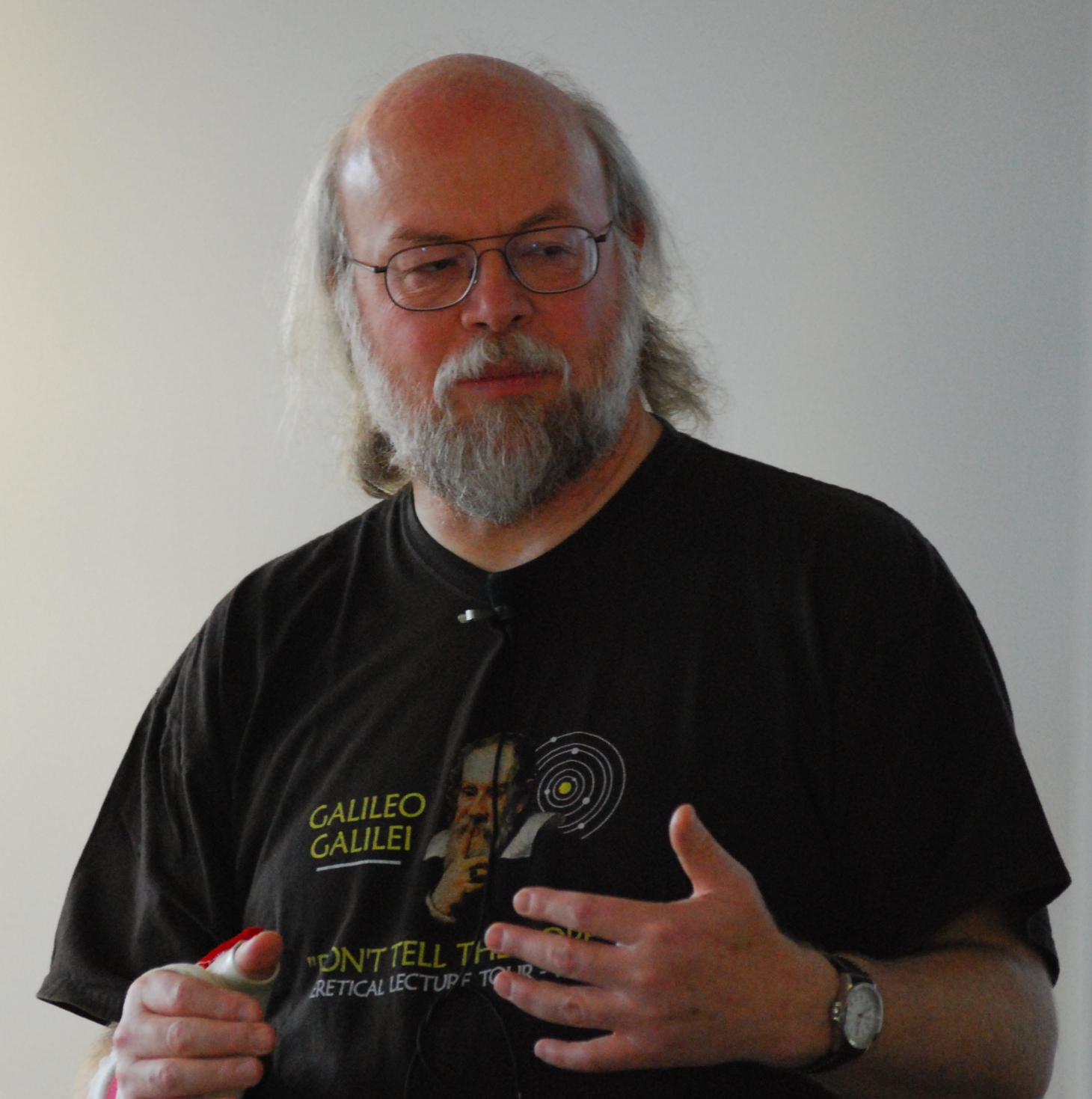
The language was originally developed by James Gosling at Sun Microsystems in 1991. In its early stages, the project was code-named “Oak,” named after an oak tree that stood outside Gosling's office. It was later renamed “Java” in 1995, inspired by Java coffee.
The WORA Principle
Write Once, Run Anywhere (WORA):
The primary target of Java is to allow developers to write a program once and run it on any device or operating system without needing to recompile it. This is achieved via the Java Virtual Machine (JVM).
The primary target of Java is to allow developers to write a program once and run it on any device or operating system without needing to recompile it. This is achieved via the Java Virtual Machine (JVM).
How It Works
Java's unique nature comes from being both a compiled and interpreted language. The Java compiler converts source code into bytecode, which is then interpreted and executed by the JVM on the target operating system.
Why Use Java?
Platform Independent
Works on different platforms like Windows, Mac, Linux, Raspberry Pi, etc.
Simple
It is easy to learn and simple to use.
Open-Source & Free
It is completely open-source and free to access.
Secure, Fast & Powerful
Engineered with a strong emphasis on security and performance speed.
Robust
Java makes a dedicated effort to eliminate error-prone code execution situations.
Multithreaded
Allows you to write programs that can perform multiple tasks simultaneously.
Distributed
Engineered efficiently for the massive, distributed environments of the internet.